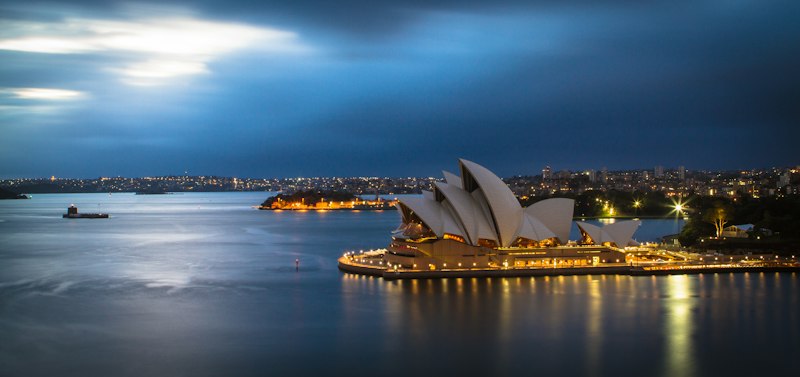
Australian place names carry layers of history from Indigenous origins through European exploration and settlement. Understanding these names reveals much about the country's history and the people who have shaped it. Many names that seem meaningless to English speakers actually have rich Indigenous meanings that connect to Country, Dreamtime stories, and the spiritual significance of places.
Sydney was named after the Earl of Sydney by Arthur Phillip in 1788, reflecting British colonial power rather than the Aboriginal names for the area. The harbour was originally called Warrane by the Cadigal people, and the Georges River was called Wanmirrab by local groups. These Indigenous names are increasingly recognised and celebrated, though rarely used in everyday speech.
Melbourne takes its name from British Prime Minister Lord Melbourne, chosen by John Batman in 1835. The area had numerous Indigenous names including Naarm for the Yarra River. Batman's choice of Melbourne was controversial at the time, with some preferring Batman's alternative of Batmania. The name Melbourne prevailed through political negotiations and has stuck ever since.
Adelaide was named after Queen Adelaide by Colonel William Light in his famous plan for the city. The Kaurna people called the area Tarndanya, meaning place of the red kangaroo. Light's plan deliberately avoided colonial street names, instead using English names after royalty and nobility. The combination of planned city and Aboriginal heritage creates a layered naming history.
Brisbane was named after Sir Thomas Brisbane, Governor of New South Wales, in 1823. The Turrbal people called the area Mianjin, referring to the river bend where the CBD now sits. Brisbane's origins as a convict settlement and penal colony are reflected in some early place names like Stradbroke Island, named after an Earl who never visited.
Perth was named after British Prime Minister Sir Robert Peel by James Stirling in 1829. The Noongar people called the area Boorloo, and the Swan River was known as Derbal Yaragan. Stirling's choice of a British name reflected the colonial imperative to claim the land through European naming, a practice that marginalised Indigenous place names.
Indigenous Australian place names often describe features of the landscape. Melbourne's Yarra River means flowing or weeping in Woiwurrung language, describing the river's appearance. Geelong's name may derive from a word meaning tongue of land. Wodonga and Albury represent the same river with different Indigenous and settler names. These dual naming systems exist throughout Australia.
Many Australian place names derive from Aboriginal words that have been adapted to English phonetics. Wagga Wagga means place of many crows in Wiradjuri. Wollongong might mean sound of the sea or place of the fossil shell. Jervis Bay takes its name from Admiral Arthur Jervis, replacing the original Aboriginal name. The original names often describe landscape features, animals, or spiritual significance.
Some place names commemorate explorers, settlers, or colonial officials whose legacy is increasingly controversial. Rhodes and Wentworth are examples of names linked to figures whose treatment of Indigenous Australians is now viewed critically. Community debates about renaming continue, with some places choosing to add Indigenous names alongside colonial names rather than replacing them entirely.